
Someone with HPV (human papillomavirus) may look and feel completely healthy but still pass the virus on through:
- Sexual activity
Most “mucosal” HPV types, which can cause genital warts or cancers, are passed on during vaginal, anal or oral sex.
2. Genital contact without intercourse
Less commonly, HPV can be transferred through direct touch of the genital area even without penetration
3. Mother to baby
It is uncommon, but a pregnant mother with HPV can sometimes give it to her baby during birth.
You cannot catch HPV from
- Toilet seats
- Hugging or holding hands
- Swimming pools or hot tubs
- Sharing cups, plates or cutlery
- Poor hygiene
You can have HPV even if
- You haven’t been sexually active
- Show no visible warts or other symptoms
- Never been diagnosed with HPV before
Because HPV often lies dormant, people can unknowingly infect partners long after they caught the virus.
Can HPV and HPV-related cancers be prevented?
There is no guaranteed way to avoid every type of HPV. However, you can significantly lower your risk and protect future health, especially against cervical, throat, anal and penile cancers by:
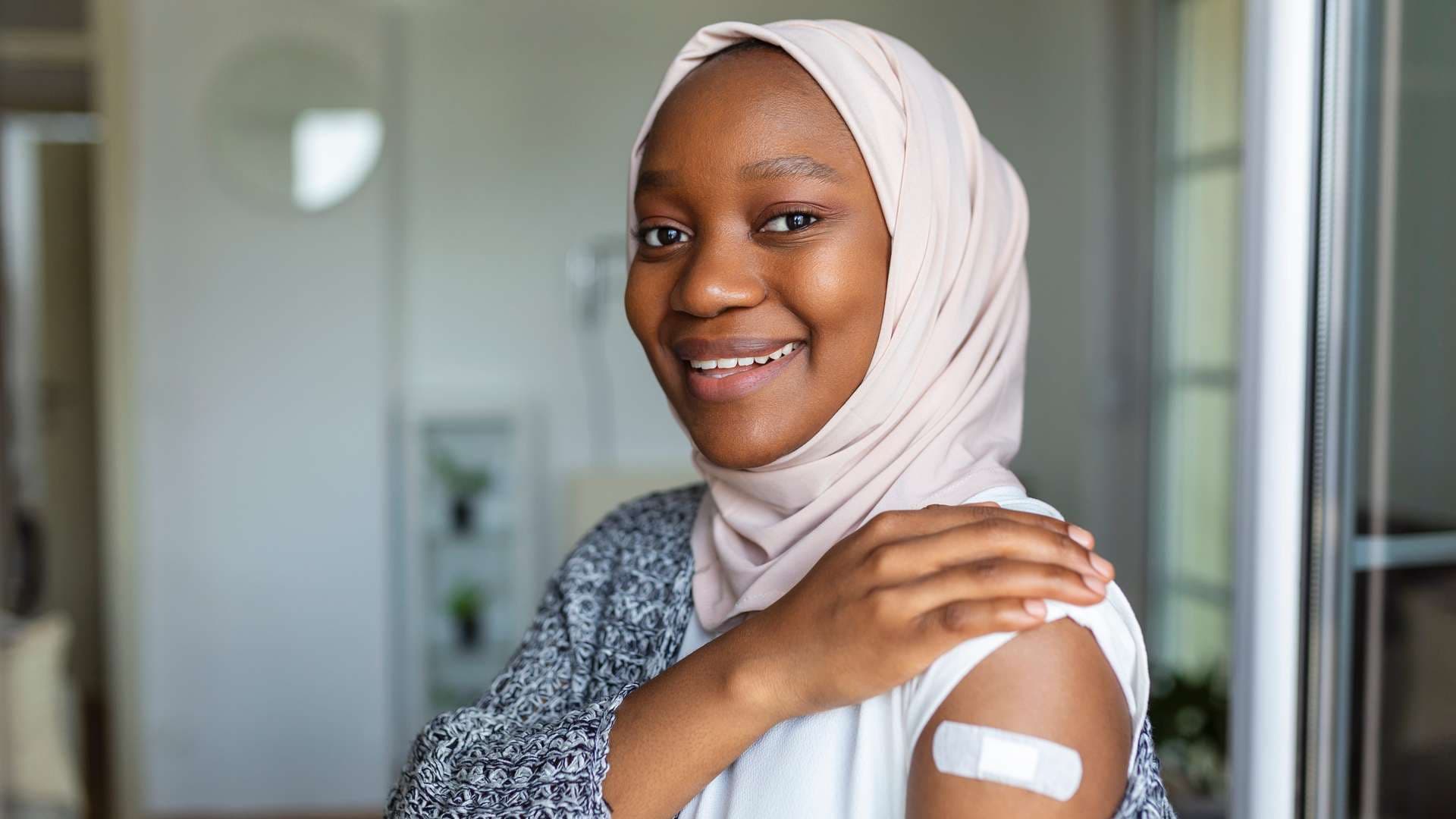
- Getting vaccinated -the safest and most effective defence
Note: The vaccine only prevents new HPV infections. It does not clear an existing infection.
- Protecting yourself during sex and other skin-to-skin contact
- Abstinence - The only sure way to avoid HPV is to skip genital and oral contact entirely.
- Limit partners - Fewer partners means fewer chances to meet someone who carries HPV.
- Use condoms - Male and female condoms reduce but do not eliminate the risk of HPV. Always use them from the very start of sexual activity.
Can you get HPV more than once?
Yes. There are many different HPV strains. You might clear one type naturally, then pick up another or even the same type again, though repeat infection with the same strain is less common.